All Categories
Featured
Table of Contents
- – Instant Air Solutions
- – The Importance of Rapid Response in Kitchen Ho...
- – Kitchen Hood Compliance Explained and Why It M...
- – Addressing Common Concerns with Kitchen Hood C...
- – Where We Provide Kitchen Hood Compliance Near You
- – The 6 Step Kitchen Hood Compliance Process Exp...
- – We Can Help! Contact Us Today.
- – Instant Air Solutions
- Restaurant Kitchen Ventilation Los Angeles
That familiar sinking feeling hits when the cooling system suddenly drops out during dinner service. Everything seems fine one moment, then the temperature rises, staff scramble, and you start worrying the exhaust system could create larger problems. You ask yourself how often must kitchen hoods be cleaned and whether your current setup meets kitchen hood compliance requirements. Restaurant chain operators everywhere share this exact stress when managing multiple locations. Kitchen hood compliance stands out as the central concern since proper exhaust performance directly impacts safety and operational continuity during cooling emergencies. When airflow balance fails, grease-laden vapors accumulate faster, raising fire risk and straining remaining cooling capacity. This connection between kitchen hood compliance and rapid AC response explains why so many operators search for solutions that address both issues together rather than treating them separately.
The worry of sudden AC failure along with possible kitchen hood compliance violations creates real anxiety for active restaurant chain operators. One cooling problem can swiftly influence exhaust performance, resulting in quicker grease buildup and elevated risk in peak hours. Understanding how rapid response supports kitchen hood compliance helps turn that worry into confidence and keeps operations running without interruption - Restaurant Kitchen Ventilation Los Angeles.
The Importance of Rapid Response in Kitchen Hood Compliance
Rapid response becomes essential the moment an AC failure occurs near kitchen exhaust systems. NFPA 96 standards mandate particular cleaning frequencies depending on cooking volume to stop grease buildup from restricting airflow and raising fire risk. High-volume frying areas typically call for monthly service, but moderate-volume sites usually need quarterly attention. If cooling fails, improper exhaust performance can speed up grease accumulation and generate immediate safety concerns.
What requirements does kitchen hood compliance impose under current codes? The NFPA 96 standard specifies exhaust duct cleaning to bare metal, correct access panel maintenance, and verification of grease removal devices. UL 300 compliant fire suppression systems must undergo semi-annual inspections. California Title 24 adds further requirements for energy-efficient ventilation that works in harmony with cooling equipment. Not meeting any of these elements can lead to fines, temporary closures, and elevated insurance premiums. HVAC maintenance services are vital for sustaining long-term kitchen hood compliance.

Operators of restaurant chains handling sites from Los Angeles to Orange County deal with distinctive challenges in multi-site compliance tracking. Arranging separate teams across Long Beach, Santa Clarita, Glendale, Pasadena, and nearby cities produces delays and inconsistent records. Rapid response supplied by one provider eradicates these inefficiencies by providing consistent service standards and centralized reporting for all locations. Commercial HVAC solutions aid in simplifying these processes for active operators.
Examine the performance metrics that are most important. Proper kitchen hood compliance combined with reliable cooling maintains optimal exhaust velocity and reduces grease buildup rates. This connection directly decreases emergency call frequency and prolongs equipment life. Chains using integrated service report smoother fire marshal inspections and fewer operational interruptions. Here is how the two approaches compare in practice. Separate vendor model often results in 24 to 72 hour response windows and fragmented documentation. Bundled rapid response delivers same-day or 24/7 availability with complete NFPA 96 and UL 300 compliant records in one visit. System integration suffers when hood and cooling are treated separately but thrives when technicians address both during the same service call. Compliance risk drops significantly with unified processes and certified technicians who understand local California requirements.
These differences explain why many operators now seek providers who excel at both kitchen hood compliance and commercial cooling support. This leads to predictable safety and operational continuity despite unexpected failures. Instant Air Solutions provides years of hands-on experience helping restaurant chains throughout Southern California. Technicians possess relevant certifications and remain up to date with the latest NFPA 96 updates and Title 24 ventilation standards. This level of knowledge paired with fast local response assists operators in avoiding the fear of sudden failures while keeping full kitchen hood compliance across all locations. The logical gain is lower downtime and safeguarded revenue, while the emotional relief arises from knowing a trusted team takes care of every detail so you can focus on operating your business. Kitchen hood services provide the integrated support many chains need.
Contact us for a complimentary consultation.
Kitchen Hood Compliance Explained and Why It Matters
Kitchen hood compliance involves meeting NFPA 96 and local fire code standards for commercial exhaust systems that control grease and fire risks in restaurant operations. It encompasses everything from proper cleaning frequencies to fire suppression system testing and integration with cooling equipment. For restaurant chain operators, effective kitchen hood compliance defends against costly violations and ensures kitchens operate safely each day. The importance becomes clear when you consider the leading causes of restaurant fires. Grease-laden vapors and inadequate exhaust systems contribute to many incidents. If AC failure interrupts airflow, the risk grows dramatically. Proper kitchen hood compliance guarantees exhaust systems keep functioning effectively during cooling emergencies, preserving safe temperatures and stopping grease buildup that might cause larger problems. HVAC installation services frequently incorporate planning for proper ventilation integration.
Local requirements in California add another layer. The Los Angeles County Fire Department and Orange County Fire Authority, among other authorities, enforce strict rules featuring Title 24 energy standards for ventilation. Chains operating in multiple cities need to sustain consistent compliance to prevent repeated inspection failures. Restaurant chain operators who invest in robust kitchen hood compliance gain more than regulatory peace of mind. They lessen operational disruptions and build safer environments for staff and guests. The combination of rapid response cooling support and thorough hood maintenance delivers both immediate protection and long-term stability. One chain operator from Pasadena shared that after implementing consistent kitchen hood compliance practices their inspection pass rate improved dramatically and they no longer lose sleep over surprise failures. Another operator in Glendale noted the rapid response team handled both cooling and hood issues the same day, saving thousands in lost revenue. Learn more about our experience.
Instant Air Solutions delivers this integrated expertise with certified technicians who understand the unique demands of multi-location restaurant operations. Operators like the single point of contact that eases compliance and tackles the fear of sudden system failures. Logical scheduling and documented results instill confidence that every location stays protected. This strategy meets the emotional need for security and the logical demand for operational efficiency. Residential HVAC services enhance the commercial focus for mixed-use properties.
Contact us for a complimentary consultation.
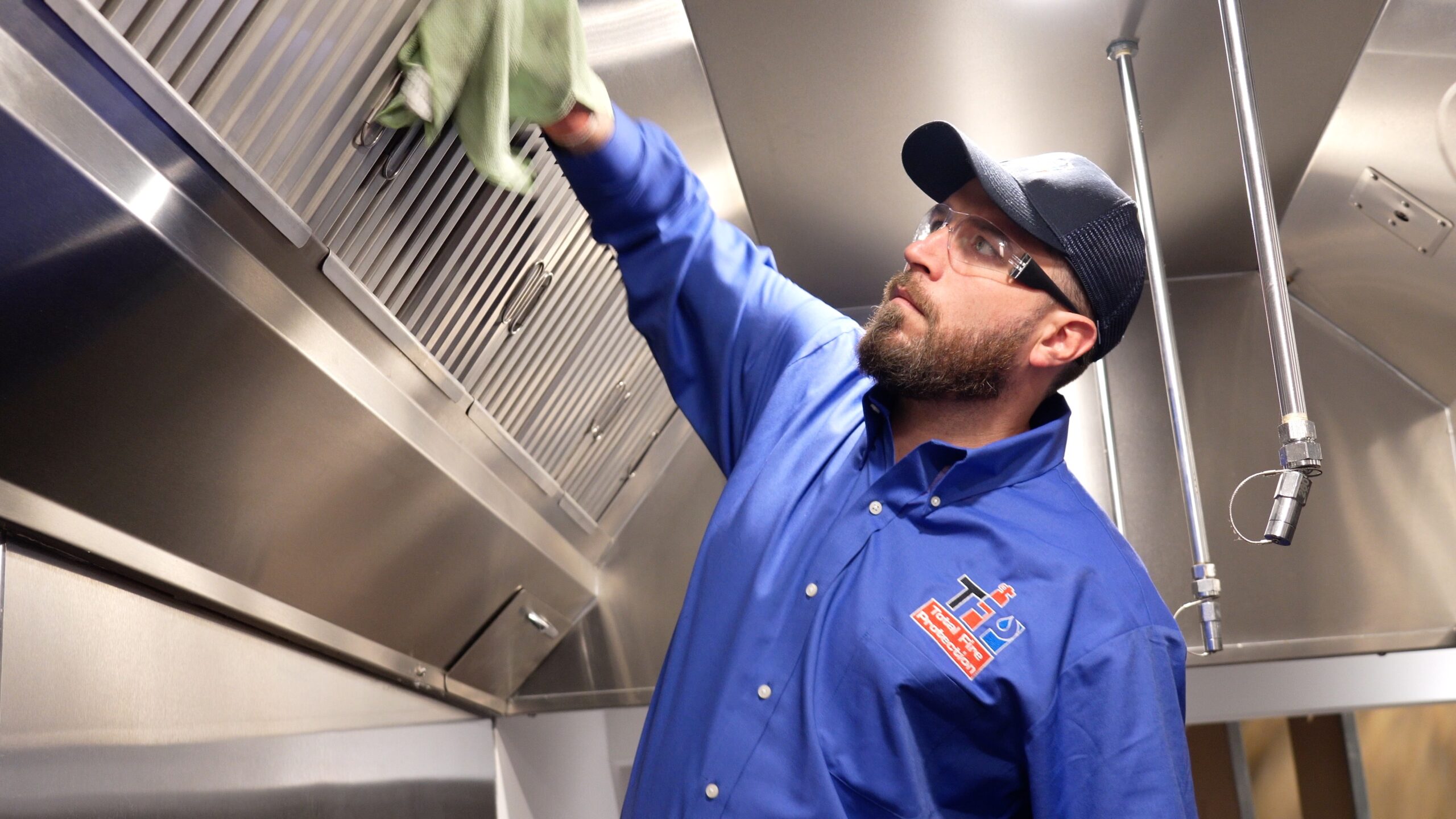
Addressing Common Concerns with Kitchen Hood Compliance
Many restaurant chain operators worry about the complexity of staying compliant across multiple sites. Questions surface regarding how often kitchen hoods must be cleaned, what UL 300 upgrades require, and if current cooling systems support proper exhaust performance. These issues become more intense when an AC failure takes place and promptly exposes weaknesses in the overall ventilation setup. One other frequent concern centers on the risk of incomplete documentation. Separate vendors frequently leave gaps in records that cause problems during inspections. If rapid response is required for cooling, the missing unified reporting can change a small issue into a compliance headache. Cost and scheduling also create anxiety. Operators worry about expensive emergency calls or lengthy downtime while awaiting multiple service providers. Fear of business interruption pushes many toward more reliable solutions. Swamp cooler services can provide additional cooling options in certain kitchen environments.
These issues get handled directly via integrated rapid response services. Technicians bring cooling back online and conduct kitchen hood compliance checks in one visit. They provide complete digital documentation that meets NFPA 96, UL 300, and local California requirements. Preventive maintenance plans decrease emergency frequency and ensure systems operate efficiently between visits. Type I hoods that handle grease-producing appliances require stricter cleaning and suppression standards while Type II hoods serve lighter applications. Understanding which type applies to each appliance assists chains in keeping accurate compliance schedules and avoiding unnecessary costs or violations. Local kitchen hood compliance experts familiar with regional differences simplify the process for chains operating across Southern California. Garage ventilation services showcase the wide expertise present for related airflow needs.
Instant Air Solutions addresses these common concerns through proven processes and a satisfaction guarantee. Experience throughout Southern California locations enables technicians to anticipate issues unique to high-volume restaurant kitchens and provide consistent results that ease both emotional stress and operational risk. The logical effect includes fewer disruptions and safeguarded revenue streams. A restaurant manager in Burbank said the service brought peace of mind after years of juggling multiple vendors. A chain operator in Torrance reported faster inspections and lower overall maintenance costs after switching to integrated support.
Contact us for a complimentary consultation.
Where We Provide Kitchen Hood Compliance Near You
Restaurant chains require local kitchen hood compliance experts who grasp regional codes and can respond rapidly across broad service areas. Throughout Los Angeles County and into Orange County, reliable support safeguards operations near major routes like the I-5 Freeway. Service reaches Los Angeles, Long Beach, Santa Clarita, Glendale, Lancaster, Palmdale, Pomona, Torrance, Pasadena, El Monte, Downey, Inglewood, West Covina, Norwalk, Burbank, South Gate, Hawthorne, Whittier, Alhambra, Lakewood, Bellflower, Baldwin Park, Compton, Redondo Beach, Gardena, Monterey Park, Rosemead, Arcadia, Pico Rivera, Paramount, Diamond Bar, Culver City, Azusa, La Mirada, Temple City, Covina, La Puente, San Gabriel, Glendora, West Hollywood, Montebello, San Dimas, Cerritos, Monrovia, Manhattan Beach, Lynwood, Bell Gardens, South Pasadena, Huntington Park, La Verne, Lawndale, Walnut, Claremont, Artesia, Lomita, Signal Hill, South El Monte, El Segundo, Hermosa Beach, Duarte, San Fernando, Maywood, Sierra Madre, Bell, Avalon, Industry, Hidden Hills, Bradbury, Rolling Hills, Rolling Hills Estates, Vernon, Irwindale, Malibu, Beverly Hills, Westlake Village, La Cañada Flintridge, Agoura Hills, and Calabasas. Local kitchen hood compliance experts arriving quickly make the difference when AC failure strikes. Proximity to major freeways ensures rapid response times that limit downtime and protect compliance status at every location.
Instant Air Solutions, 412 W Dryden St APT 6, Glendale, CA 91202, (747) 307-6363 supplies this localized expertise along with in-depth knowledge of California fire codes and ventilation standards. Chains benefit from consistent service standards and documented results that satisfy both emotional need for security and logical demand for operational efficiency. The fear of sudden failure fades when you know help is close and compliance is handled professionally. Check the contact page to book service in your area.
Contact us for a complimentary consultation.
The 6 Step Kitchen Hood Compliance Process Explained
The process opens with a comprehensive on-site assessment of your present exhaust and cooling systems. Technicians assess grease levels, airflow, suppression equipment, plus the integration of hood and HVAC components. This stage detects immediate risks along with long-term compliance needs. Next comes detailed documentation of findings with clear explanations of any kitchen hood compliance gaps. You receive a straightforward report that outlines required cleaning, repairs, or upgrades without technical jargon. The third step involves scheduled cleaning to bare metal per NFPA 96 guidelines along with testing of UL 300 fire suppression systems. Technicians equalize makeup air and cooling performance within the same visit to achieve full system harmony. HVAC installation services commonly integrate these assessments when handling new setups.
The fourth step emphasizes preventive recommendations fitted to your cooking volume and location-specific codes. This includes maintenance schedules that reduce future emergency calls. The fifth step provides full digital records along with compliance certificates ready for any inspection. These documents travel with you across all chain locations. In the end, continuous monitoring and follow-up visits preserve systems in top condition. You obtain a dependable partner who deals with both kitchen hood compliance and cooling needs all year round. This organized process eliminates guesswork and supplies repeatable results that safeguard your business. Every step builds upon the one before it to establish lasting safety and efficiency. HVAC maintenance services support continued performance after the initial process.
Contact us for a complimentary consultation.
We Can Help! Contact Us Today.
If you operate a restaurant chain and seek professional kitchen hood compliance in California, a trusted partner stands prepared to support your needs. Certified experts specialize in kitchen hood compliance and rapid cooling repair, delivering fast, reliable results. Whether you oversee high-volume locations or multiple sites throughout the region, every kind of commercial kitchen receives precision care. Conveniently positioned near the I-5 Freeway within the Los Angeles area, service covers Los Angeles, San Fernando Valley, Pasadena, Orange County plus nearby cities. Schedule a consultation today. With broad experience and a satisfaction guarantee, operations flourish with reduced risk and enhanced efficiency. The mix tackles the fear of sudden failures together with the logical need for consistent code compliance. You gain peace of mind knowing your kitchens stay safe and productive while protecting revenue and reputation. Choose the step that provides both emotional relief and measurable business results.
Contact us today through our contact page to start protecting your operations with expert kitchen hood compliance support. Additional helpful resources include our privacy policy and terms of service for complete transparency.
Instant Air Solutions
Address: 412 W Dryden St Apt 6 Glendale, CA 91202Phone: (747) 307-6363
Email: [email protected]
Instant Air Solutions
Kitchen Exhaust Fan Motor Replacement Los Angeles, CA
Kitchen Exhaust Fan Repair Service Los Angeles, CA
Kitchen Exhaust Cleaning Los Angeles, CA
Hood Filter Cleaning Los Angeles, CA
Restaurant Kitchen Ventilation Los Angeles, CA
Kitchen Hood Grease Removal Los Angeles, CA
Hood Vent Cleaning Services Los Angeles, CA
Restaurant Ventilation Cleaning Los Angeles, CA
Restaurant Hood Cleaning Service Los Angeles, CA
Kitchen Hood Repair Service Los Angeles, CA
Kitchen Hood Service Los Angeles, CA
Kitchen Hood Inspection Los Angeles, CA
Commercial Kitchen Hood Service Los Angeles, CA
Commercial Kitchen Ventilation Services Los Angeles, CA
Kitchen Hood Repair Service Los Angeles, CA
Commercial Kitchen Ventilation Los Angeles, CA
Restaurant Kitchen Ventilation Los Angeles, CA
Hood Filter Cleaning Los Angeles, CA
Commercial Hood Cleaning Service Los Angeles, CA
Kitchen Hood Service Los Angeles, CA
Hood Cleaning Companies Los Angeles, CA
Kitchen Hood Repair Service Los Angeles, CA
Restaurant Kitchen Ventilation Los Angeles, CA
Restaurant Hood Installation Los Angeles, CA
Kitchen Exhaust Installation Los Angeles, CA
Kitchen Exhaust Installation Los Angeles, CA
Kitchen Exhaust Installation Los Angeles, CA
Kitchen Hood Service Los Angeles, CA
Fire Suppression System Inspection Los Angeles, CA
Commercial Kitchen Hood Service Los Angeles, CA
Commercial Kitchen Ventilation Services Los Angeles, CA
Kitchen Hood Inspection Los Angeles, CA
Kitchen Exhaust Installation Los Angeles, CA
Near My Location Seo Packages Los Angeles, CA
Find Seo Agency Los Angeles, CA
Instant Air Solutions
Kitchen Exhaust Fan Repair Service Los Angeles, CA
Commercial Kitchen Ventilation Los Angeles, CA

Table of Contents
- – Instant Air Solutions
- – The Importance of Rapid Response in Kitchen Ho...
- – Kitchen Hood Compliance Explained and Why It M...
- – Addressing Common Concerns with Kitchen Hood C...
- – Where We Provide Kitchen Hood Compliance Near You
- – The 6 Step Kitchen Hood Compliance Process Exp...
- – We Can Help! Contact Us Today.
- – Instant Air Solutions
Latest Posts
Local Seo Consulting La Habra
Fontana Local Seo Agencies
West Covina Local Seo Marketing Agency
More
Latest Posts
Local Seo Consulting La Habra
Fontana Local Seo Agencies
West Covina Local Seo Marketing Agency