All Categories
Featured
Table of Contents
- – Instant Air Solutions
- – What Makes My Swamp Cooler Water Line Leak?
- – Mineral Buildup from Hard Water and Corrosion
- – How Scale Accelerates in SoCal Water
- – Warning Signs of Corrosion on Water Lines
- – Loose Compression Nuts and Faulty Gaskets
- – Common Locations for Loose Fittings
- – Issues with Float Valve Operation
- – What Leads to Swamp Cooler Water Line Freezing...
- – Winterization Neglect
- – How Copper and PEX Handle Freezing Differently
- – Wear from Age and Materials
- – Incorrect Installation Practices
- – What’s the Best Way to Fix a Swamp Cooler Wate...
- – Initial Troubleshooting Steps
- – Inspect and Tighten Compression Fittings
- – Replace Worn Gaskets
- – Float Valve Adjustment and Replacement
- – Testing After Adjustment
- – Clearing Mineral Clogs
- – Copper vs PEX for Swamp Cooler Water Lines in ...
- – Advantages of Copper Lines
- – Maintenance Requirements for Copper
- – Why Choose PEX Tubing
- – Compatibility with Existing Systems
- – Cost and Longevity Comparison
- – How Much Does Swamp Cooler Water Line Repair C...
- – Repair Cost Details
- – Factors Influencing Pricing
- – How Maintenance Lowers Costs
- – How Can I Avoid Future Swamp Cooler Water Line...
- – Yearly Winterization Process
- – Winter Prep Tools You’ll Need
- – Hard Water Treatments in Southern California
- – Regular Check-Ups
- – Our 6 Step Swamp Cooler Water Line Repair Proc...
- – Step 1: Fast Arrival and Diagnosis
- – Step 2 – Preparing Safely
- – Step 3: Precise Repairs
- – Step 4 – System Testing
- – Step 5 – Preventive Recommendations
- – Step 6 – Walkthrough and Assurance
- – Common Concerns About Swamp Cooler Water Line ...
- – Question: Will Repairs Mess Up My Home?
- – Concern: How Long Will the Repair Take?
- – Concern: Is It Worth Calling a Professional?
- – Our Service Areas in Los Angeles, San Fernando...
- – FAQs on Swamp Cooler Water Line Repair
- – We Can Help! Contact Us Today
- – Instant Air Solutions
Swamp cooler water line repair tackles one of the most widespread and irritating problems homeowners experience with evaporative coolers in arid regions like Southern California. When a swamp cooler water line leak appears, it often begins as a minor leak that quickly escalates into ceiling stains, water damage, higher utility bills, and lost cooling comfort. Homeowners regularly search phrases such as how to fix swamp cooler water line leak, why is my swamp cooler water line leaking, or swamp cooler water line leaking through ceiling because hard water minerals, loose fittings, faulty float valves, winter freezing, and aging copper lines create predictable yet preventable issues. This comprehensive guide covers every major cause, provides clear step-by-step repair methods, shares realistic cost expectations, outlines prevention strategies, compares materials like copper versus PEX, and helps you decide when professional help is the smartest choice. Whether you're dealing with a minor drip or a full burst, the information here enables you to restore efficient, leak-free operation and protect your home from unnecessary damage.
Evaporative coolers, also known as swamp coolers, depend on a continuous, controlled supply of water to soak the cooling pads and produce that signature dry, refreshing breeze. The swamp cooler water line — typically a narrow ¼-inch copper or PEX tube — delivers fresh water from your home’s plumbing directly to the unit’s float valve and distribution system. Any disruption, whether caused by hard water mineral buildup, a loose compression nut, a malfunctioning float valve, or a burst from poor winterization, soon causes to wasted water, structural damage risk, and decreased cooling efficiency. According to research published by the U.S. Department of Energy, proper maintenance and timely leak repairs can extend the life of evaporative cooling equipment by 30 to 50 percent while keeping operating costs much lower than traditional air conditioning. Early intervention saves money and stress — and that’s exactly what this article is designed to help you achieve.
What Makes My Swamp Cooler Water Line Leak?
Swamp cooler water line leaking often shows up as one of the primary reasons homeowners in Los Angeles, Pasadena, San Fernando Valley, Orange County, and surrounding cities contact HVAC professionals each summer. The combination of constant water flow, high mineral content in local water supplies, vibration from the fan motor, and thermal expansion/contraction generates multiple failure points along the supply line. Data collected from thousands of service calls across arid Southwest regions shows that hard water mineral buildup alone accounts for approximately 70% of all plumbing-related failures in evaporative coolers.
Mineral Buildup from Hard Water and Corrosion
In Southern California, municipal water supplies typically contain elevated levels of calcium and magnesium. Over time these minerals precipitate out of solution and adhere to the inner walls of copper tubing, gradually narrowing the passage and increasing internal pressure at joints and fittings - Evaporative Cooling Repair Verdugo City. The resulting scale also traps moisture against the metal surface, accelerating localized corrosion that eventually produces pinhole leaks. Once a pinhole forms, even a tiny amount of water escaping under normal line pressure can cause noticeable dripping within hours. Regular flushing helps, but severe cases require professional descaling or line replacement to restore proper function
How Scale Accelerates in SoCal Water
Water hardness in cities such as Pasadena, Glendale, Orange County, and most of Los Angeles County frequently exceeds 200–300 mg/L — well above the threshold considered “hard” by water quality standards. This elevated mineral concentration causes scale to form two to three times faster than in regions with naturally softer water, explaining why many local homeowners encounter swamp cooler water line problems within the first three to five years of ownership. Installing an inline sediment filter or whole-house softener is one of the most effective long-term countermeasures available. For more on water quality solutions, check our maintenance services.
Warning Signs of Corrosion on Water Lines
Visible warning signs include green or blue-green patina forming around compression fittings, rust-colored or milky water draining from the overflow tube, small pinholes appearing along the length of exposed copper tubing, and a rough, gritty texture when running your fingers over the pipe surface. Catching these indicators early allows you to address the issue before it escalates into major water damage or mold growth inside walls or ceilings. Ignoring them often leads to more extensive repairs and higher costs down the line.
Loose Compression Nuts and Faulty Gaskets
The fan motor inside every swamp cooler generates continuous low-level vibration that travels through the housing and into the attached water supply line. Over months and years this vibration gradually loosens the compression nuts that secure the ¼-inch tubing to the float valve inlet and the household shutoff valve. At the same time, the rubber or fiber gaskets inside those fittings slowly harden, crack, or deform from constant exposure to water pressure and temperature cycling. This issue is extremely common and often resolves with simple tightening or gasket replacement.
Common Locations for Loose Fittings
The two most vulnerable connection points are the compression nut at the float valve inlet (where water enters the cooler reservoir) and the needle valve or saddle valve that taps into your home’s main water supply line. Both locations experience repeated pressure changes every time the cooler cycles on and off, making them prime candidates for gradual loosening and eventual dripping. Checking these spots during routine maintenance prevents most minor leaks from developing further.
Issues with Float Valve Operation
When the float valve sticks in the open position, becomes misadjusted, or suffers internal wear from mineral scale, it allows water to continue flowing even after the reservoir is full. Excess water then overflows the pan, runs down the exterior housing, or escapes through the overflow tube — often mistaken for a supply line leak when the real culprit is the valve itself. Adjusting or replacing the valve usually resolves the problem quickly and effectively.
Identifying and fixing these common causes early prevents escalation into structural water damage, mold growth, or the need for more expensive repairs. Contact us for a complimentary consultation to quickly identify the exact source of your swamp cooler water line leak. Learn about our full range of solutions on our evaporative cooler services.
What Leads to Swamp Cooler Water Line Freezing and Bursts?
Burst swamp cooler water line problems almost always occur after the first hard freeze of winter when homeowners discover water spraying from cracked tubing or pooling in the attic. Roof-mounted units and lines routed through unconditioned attic spaces are particularly vulnerable because they experience the widest temperature extremes. Proper winterization eliminates this risk entirely.
Winterization Neglect
The single biggest contributor to winter-related bursts is incomplete or entirely skipped winterization. When the cooling season ends, many homeowners simply turn off the unit without fully draining the supply line, distribution tubing, and reservoir. Even a small amount of trapped water freezes solid when nighttime temperatures drop below 32°F, expanding by about nine percent and exerting thousands of pounds of force per square inch — more than enough to split copper pipe. This preventable oversight accounts for a significant portion of seasonal burst repairs.
How Copper and PEX Handle Freezing Differently
Traditional rigid copper tubing cracks cleanly when frozen because it cannot accommodate the expansion. Flexible PEX tubing, however, stretches slightly before rupturing, giving it a significantly higher survival rate during cold snaps. Upgrading to PEX during repairs often prevents future winter problems. Many professionals now recommend PEX for replacements in regions that experience occasional freezes.
Wear from Age and Materials
Copper supply lines that have been in service for fifteen years or longer often suffer from internal pitting corrosion caused by years of hard water exposure. This pitting thins the pipe wall dramatically, reducing its ability to withstand normal operating pressure — let alone the additional stress of ice expansion. Older installations without protective insulation or heat tape face the highest risk of sudden failure. Regular inspections catch thinning early and allow proactive replacement.
Incorrect Installation Practices
Supply lines routed through uninsulated attics, along exterior walls, or in other areas subject to extreme temperature swings experience repeated expansion and contraction cycles. These thermal stresses weaken solder joints and compression fittings over time, creating weak points that eventually fail during the first hard freeze. Professional installation ensures lines are properly insulated and routed to minimize temperature exposure.
Implementing thorough winterization procedures completely eliminates freeze-related burst risk. Experienced technicians can winterize your system quickly and correctly so you never face an unexpected cold-weather emergency. For more information on seasonal preparation, visit our HVAC maintenance page.
What’s the Best Way to Fix a Swamp Cooler Water Line Leak?
Repairing a swamp cooler water line leak follows a trusted, safety-first sequence that successfully resolves the majority of leaks without requiring a complete system replacement. The process focuses on stopping the active leak, verifying the repair, and implementing measures to prevent recurrence. Safety always comes first — never work on live electrical components or pressurized lines.
Initial Troubleshooting Steps
Before touching any fittings, turn off power to the cooler at the breaker panel and close the main water supply valve feeding the unit. This eliminates the risk of electrical shock and prevents additional water from entering the system while you diagnose and repair. Taking these two simple steps protects both you and your home.
Inspect and Tighten Compression Fittings
Visually inspect every compression nut along the supply line path. Start by hand-tightening each one clockwise, then apply gentle additional torque with an adjustable wrench. Avoid over-tightening — excessive force can crack brass fittings or deform the tubing. This adjustment often stops minor drips immediately and is one of the quickest fixes available.
Replace Worn Gaskets
Disassemble each leaking compression fitting, remove the old rubber or fiber washer, and install a new gasket sized correctly for ¼-inch tubing. A fresh gasket restores a proper seal and is one of the quickest, least expensive fixes available. Keep a small assortment of spare washers on hand for future seasonal checks.
Float Valve Adjustment and Replacement
Gently bend the float arm downward to lower the water shut-off level inside the reservoir. If the valve continues to leak after adjustment, or if the internal components show visible wear or mineral scale, replace the entire float valve assembly with a compatible replacement designed specifically for evaporative coolers. This part is inexpensive and relatively easy to install correctly.
Testing After Adjustment
After completing adjustments or replacements, slowly restore water flow and power. Run the cooler through several complete cycles while closely monitoring all repaired connections for any remaining drips, sprays, or overflow. Thorough testing confirms the repair’s success and identifies any overlooked issues before they cause problems later.
Clearing Mineral Clogs
Disconnect the supply line at the inlet, attach a short length of tubing, and flush the line with a 50/50 vinegar-water solution to dissolve calcium and magnesium scale. Repeat the flush until water runs clear and unrestricted, then reassemble all connections. This non-toxic method effectively restores full flow without damaging the tubing or fittings.
These effective repair techniques resolve the majority of common leaks. Evaporative Cooling Repair Verdugo City. When the problem involves soldering, roof access, extensive corrosion, or hidden damage, professional swamp cooler water line repair ensures a safe, permanent solution. For ongoing system care, explore our installation options
Copper vs PEX for Swamp Cooler Water Lines in Hard Water Areas?
Material selection plays a critical role in the long-term reliability of your swamp cooler water line, particularly in regions with hard water and occasional temperature extremes. Each option offers distinct advantages depending on installation requirements, maintenance preferences, and local environmental conditions.
Advantages of Copper Lines
Copper tubing has been the traditional choice for decades because of its strength, heat resistance, and proven compatibility with existing plumbing systems. Many older swamp coolers still operate successfully with original copper supply lines when properly maintained and periodically flushed.
Maintenance Requirements for Copper

Annual or bi-annual flushing with vinegar or commercial descaling solutions keeps internal scale under control and significantly extends service life. Copper also withstands high water temperatures well, making it suitable for installations near hot attics or roofs.
Why Choose PEX Tubing
Cross-linked polyethylene (PEX) tubing provides outstanding flexibility, excellent freeze resistance, and simpler installation in tight or confined spaces such as attics and crawlspaces. PEX resists internal corrosion far better than copper when exposed to hard water over long periods.
Compatibility with Existing Systems
Modern PEX tubing connects easily to legacy copper lines using push-fit connectors, crimp rings, or expansion fittings. This compatibility makes PEX an excellent choice for partial upgrades or targeted replacements without requiring major modifications to the existing plumbing layout.
Cost and Longevity Comparison
Although copper carries a higher initial material cost, PEX frequently delivers superior long-term value through fewer repairs, better freeze tolerance, and reduced maintenance demands. Many Southern California HVAC professionals now recommend PEX for new installations or replacements in hard-water areas.
The best material choice depends on your current setup, water quality, climate exposure, and how much ongoing maintenance you’re willing to perform. We guide homeowners toward the solution that provides the longest, most trouble-free performance. For full swamp cooler support, see our home HVAC solutions.
How Much Does Swamp Cooler Water Line Repair Cost in Los Angeles?
Knowing the realistic swamp cooler water line repair cost removes uncertainty and allows homeowners to budget effectively when facing a drip, spray, or full burst.
Repair Cost Details
Minor adjustments — tightening loose compression fittings, replacing worn gaskets, or adjusting a float valve — generally range from $150 to $250. Replacing a burst section of copper or PEX tubing, installing a new float valve assembly, or addressing moderate corrosion usually falls between $300 and $600, depending on parts and labor required.
Factors Influencing Pricing
Several variables affect the final price: roof access adds time and complexity, emergency after-hours calls incur additional fees, specialized parts (such as custom-length tubing or high-quality valves) increase material costs, and the extent of internal corrosion can extend the scope of work.
How Maintenance Lowers Costs
Investing in annual inspections, thorough winterization, and hard water treatment dramatically reduces the probability of major repairs and keeps future expenses predictable over time. A small preventive investment now can save hundreds or even thousands later.
Transparent, upfront pricing builds confidence. Reach out for a personalized, no-obligation quote tailored to your exact situation. For complete HVAC solutions, visit our business HVAC options.
How Can I Avoid Future Swamp Cooler Water Line Leaks?
Prevention remains the single most cost-effective and stress-reducing strategy for maintaining trouble-free evaporative cooling performance year after year.
Yearly Winterization Process
At the end of the cooling season, shut off the water supply, drain the entire system completely, use compressed air to blow out residual water from low points and distribution tubing, close the supply valve securely, and insulate any exposed pipe sections with foam sleeves. These simple steps protect against freezing and extend component life.
Winter Prep Tools You’ll Need
You’ll need a basic adjustable wrench, an air compressor or bicycle pump with an appropriate adapter, foam pipe insulation sleeves sized for ¼-inch tubing, and zip ties or duct tape to secure the insulation. Most homeowners already own these items or can purchase them affordably.
Hard Water Treatments in Southern California
Installing an inline sediment filter at the cooler inlet or upgrading to a whole-house water softener significantly reduces scale accumulation throughout the plumbing system. Periodic vinegar flushes during routine maintenance also dissolve existing deposits and keep lines cleaner longer.
Regular Check-Ups
Before the cooling season begins each spring, visually inspect all fittings for signs of leaks, test the float valve operation, check for loose connections, and flush the supply line if necessary. Early detection of minor issues prevents them from developing into costly emergencies.
Consistent preventive care dramatically extends equipment lifespan and eliminates the majority of emergency service calls. Local expertise simplifies the entire process. Discover more about ongoing care on our garage cooling solutions.
Our 6 Step Swamp Cooler Water Line Repair Process: What to Expect
A clear, repeatable, customer-focused process ensures consistently high-quality results every time you need swamp cooler water line repair.
Step 1: Fast Arrival and Diagnosis
Most service requests receive same-day or next-day arrival. A licensed technician performs a thorough visual and functional inspection to determine the precise cause of the leak, burst, or malfunction.
Step 2 – Preparing Safely
Power is disconnected at the breaker, water supply is shut off, and any standing water is safely contained using drop cloths and absorbent materials to protect flooring and furnishings.
Step 3: Precise Repairs
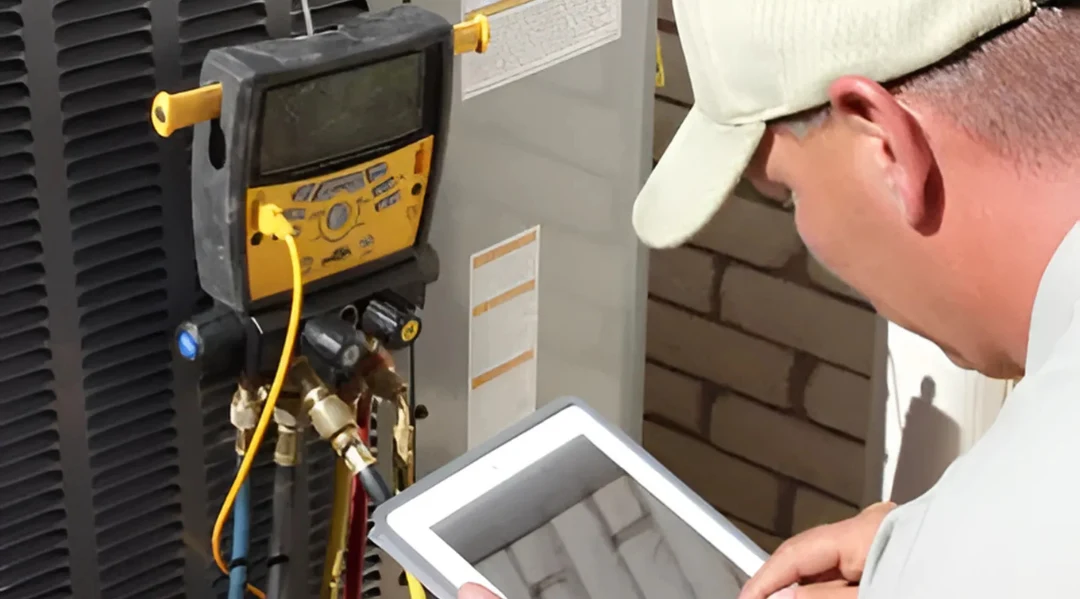
Repairs are performed with precision — tightening fittings, replacing gaskets or valves, soldering or crimping new tubing sections, or clearing severe scale — using high-quality parts matched to the existing system.
Step 4 – System Testing

The cooler is powered on and run through multiple complete cycles while every repaired connection is closely monitored for leaks, proper water flow, and normal operation.
Step 5 – Preventive Recommendations
The technician provides personalized suggestions for inline filters, additional insulation, winterization upgrades, or routine maintenance schedules that will help prevent future problems and extend equipment life.
Step 6 – Walkthrough and Assurance
After testing is complete, the technician walks through the finished work with the homeowner, answers any questions, and confirms satisfaction. All repairs are backed by our satisfaction guarantee.
This structured, transparent approach delivers dependable, long-lasting results. Instant Air Solutions combines certified expertise with a genuine commitment to quality on every job. For full details about our process, visit our privacy information.
Common Concerns About Swamp Cooler Water Line Repair And How We Solve Them
Homeowners considering professional repair often share the same concerns. Here are the most common questions and how they are addressed.
Question: Will Repairs Mess Up My Home?
We protect your home using drop cloths, containment barriers, and meticulous cleanup procedures so your living spaces remain clean and undisturbed throughout the entire process.
Concern: How Long Will the Repair Take?
Standard jobs typically require one to three hours from arrival to completion. Many emergency leaks receive same-day resolution, minimizing inconvenience during hot weather.
Concern: Is It Worth Calling a Professional?
DIY attempts frequently fix the visible symptom but miss underlying scale buildup, corrosion, or improper water pressure that cause the problem to return quickly. Professional repairs identify and correct the root cause, saving money and frustration in the long run through durable repairs.
We eliminate uncertainty with clear, upfront communication, careful workmanship, and a satisfaction guarantee on every repair completed. Learn more about our commitment on our terms of service.
Our Service Areas in Los Angeles, San Fernando Valley, Pasadena, and Orange County
We deliver fast, reliable swamp cooler water line repair near you throughout a broad service area covering Los Angeles County and parts of Orange County. Communities served include Los Angeles, Long Beach, Santa Clarita, Glendale, Lancaster, Palmdale, Pomona, Torrance, Pasadena, El Monte, Downey, Inglewood, West Covina, Norwalk, Burbank, South Gate, Hawthorne, Whittier, Alhambra, Lakewood, Bellflower, Baldwin Park, Compton, Redondo Beach, Gardena, Monterey Park, Rosemead, Arcadia, Pico Rivera, Paramount, Diamond Bar, Culver City, Azusa, La Mirada, Temple City, Covina, La Puente, San Gabriel, Glendora, West Hollywood, Montebello, San Dimas, Cerritos, Monrovia, Manhattan Beach, Lynwood, Bell Gardens, South Pasadena, Huntington Park, La Verne, Lawndale, Walnut, Claremont, Artesia, Lomita, Signal Hill, South El Monte, El Segundo, Hermosa Beach, Duarte, San Fernando, Maywood, Sierra Madre, Bell, Avalon, Industry, Hidden Hills, Bradbury, Rolling Hills, Rolling Hills Estates, Vernon, Irwindale, Malibu, Beverly Hills, Westlake Village, La Cañada Flintridge, Agoura Hills, Calabasas, and dozens of additional cities and neighborhoods along the I-5 Freeway corridor.
Our technicians are intimately familiar with the unique hard water conditions, climate patterns, and installation challenges found throughout these areas, allowing us to provide fast, effective, and long-lasting service tailored to local needs. Instant Air Solutions is conveniently located at 412 W Dryden St APT 6, Glendale, CA 91202.
FAQs on Swamp Cooler Water Line Repair
What causes swamp cooler water line to burst?
Incomplete winterization leaves residual water trapped inside the supply line. When temperatures drop below freezing, that water expands by about nine percent, exerting enough force to crack copper tubing. Long-term corrosion from hard water further weakens pipe walls, making them more vulnerable. Improper routing through uninsulated attics exposes lines to extreme temperature swings that accelerate joint fatigue. Thorough draining, air blowing, and insulation completely eliminate this risk. Learn more about seasonal preparation on our kitchen hood services.
How do I stop my swamp cooler water line leaking through the ceiling?
First, immediately shut off the water supply to prevent further damage. The leak usually originates from a burst or corroded section in the attic or roof-mounted line. Trace the pipe path, isolate the damaged area, and repair or replace the affected segment using proper compression or solder fittings. After completing the repair, test the system thoroughly. Professional assistance ensures safe access to difficult locations and prevents hidden issues from recurring. See our residential services for details.
How much does swamp cooler water line repair cost in Los Angeles?
Minor repairs — tightening fittings, replacing gaskets, or adjusting valves — typically range from $150 to $250. Replacing a burst section, corroded tubing, or full line segment generally costs $300 to $600. Factors such as roof access, emergency timing, and required parts influence the final price. Routine maintenance and winterization greatly reduce the likelihood of higher-cost emergencies. Get a personalized estimate by visiting our commercial services.
Can I DIY swamp cooler water line repair?
Simple tasks such as tightening compression nuts, replacing worn gaskets, or adjusting the float valve are manageable for most homeowners using basic tools and following safety precautions. Soldering copper, roof access, clearing severe mineral scale, or repairing hidden corrosion usually require professional equipment and expertise to avoid injury, additional damage, or repeated failures. Licensed technicians apply proven methods for permanent results. Explore professional options on our HVAC installation services.
How to winterize swamp cooler water line?
Turn off the water supply valve, fully drain the system, and use compressed air to blow residual water from low points and distribution tubing. Wrap exposed sections with foam pipe insulation sleeves and secure them tightly. Close the shutoff valve securely. Consider adding an inline filter to reduce future hard water scale buildup. These steps prevent freezing and extend overall system life. Learn seasonal care tips on our garage ventilation services.
Why does my swamp cooler water line leak after tightening?
Tightening may temporarily reduce the drip, but worn gaskets, internal scale deposits, or ongoing corrosion often allow water to continue escaping. Misaligned float valves can also cause overflow that mimics a line leak. Hidden pinholes from long-term mineral damage may remain. A thorough professional inspection identifies and corrects these underlying causes for a permanent fix. For expert diagnosis, see our HVAC maintenance services.
What is the best material for swamp cooler water lines in hard water areas?
PEX tubing provides excellent flexibility, superior freeze resistance, and easier installation in tight attic or roof spaces, making it a popular choice for replacements. Copper is durable and compatible with existing systems but requires more frequent descaling in hard water environments. The optimal material depends on your setup, water quality, and maintenance preferences. For personalized recommendations, visit our contact page.
How often should I check my swamp cooler water line?
Perform a visual inspection of fittings, valves, and exposed tubing before each cooling season begins and after winter. Flush the supply line annually to remove accumulated scale. Homes with very hard water benefit from checks every six months. Early detection prevents small problems from becoming costly repairs. Learn about routine care on our swamp cooler services.
Does hard water always cause swamp cooler water line problems?
High mineral content accelerates scale buildup and corrosion in the majority of cases throughout Southern California. Installing an inline sediment filter or whole-house softener substantially reduces deposit formation and protects all plumbing components. Regular vinegar flushes also help manage scale effectively. Proactive treatment keeps lines cleaner and significantly extends service life. Discover preventive solutions on our installation options.
When should I call for emergency swamp cooler water line repair?
Call immediately if you notice persistent dripping, ceiling stains, visible bursts, or rapidly increasing water bills. Prompt same-day professional service minimizes structural damage, mold risk, and additional expense. Licensed experts safely handle complex repairs and verify full system function afterward. Evaporative Cooling Repair Verdugo City. For emergency support, reach out via our about page
We Can Help! Contact Us Today
The constant drip of a swamp cooler water line leak produces real stress — wasted water, the threat of ceiling or attic damage, higher utility bills, and the sudden loss of cool, comfortable air during the hottest Southern California days. Homeowners feel instant relief the moment the leak stops and lasting peace of mind when they know the repair is done right the first time. Trust builds quickly when experienced professionals stand behind their work with a satisfaction guarantee. The urgency to protect your home and restore comfort motivates many to seek expert assistance without delay. Instant Air Solutions specializes in fast, reliable swamp cooler water line repair using certified technicians, transparent pricing, and proven methods. Conveniently located at 412 W Dryden St APT 6, Glendale, CA 91202, we serve Los Angeles, San Fernando Valley, Pasadena, Orange County, and surrounding communities. Whether you’re a homeowner, property manager, or business owner, our team delivers precise, long-lasting solutions tailored to your needs. A complimentary consultation estimate is available. With proven expertise and an unwavering commitment to quality, we restore your cooling comfort with confidence. Call (747) 307-6363 today — let us eliminate the drip and bring back the cool you deserve!
Instant Air Solutions
Address: 412 W Dryden St Apt 6 Glendale, CA 91202Phone: (747) 307-6363
Email: [email protected]
Instant Air Solutions
Swamp Cooler Repair Contractors Verdugo City, CA
Evaporative Cooler Installation Verdugo City, CA
Repair Swamp Cooler Pan Verdugo City, CA
Repair Swamp Cooler Belt Verdugo City, CA
Swamp Cooler Repair Man Verdugo City, CA
Swamp Cooler Repair Verdugo City, CA
Evaporative Cooler Motor Repair Verdugo City, CA
Swamp Cooler Repair Service Verdugo City, CA
Swamp Cooler Repair Near Me Verdugo City, CA
Evaporative Cooler Rust Repair Verdugo City, CA
Repair Swamp Cooler Pan Verdugo City, CA
Swamp Cooler Pan Repair Verdugo City, CA
Evaporative Cooling Repair Verdugo City, CA
Swamp Cooler Motor Repair Verdugo City, CA
Swamp Cooler Repair Company Verdugo City, CA
Evaporative Cooling Repair Near Me Verdugo City, CA
Swamp Cooler Repair Man Verdugo City, CA
Evaporative Cooler Installation Verdugo City, CA
Emergency Swamp Cooler Repair Verdugo City, CA
Evaporative Cooler Replacement Verdugo City, CA
Evaporative Cooler Replacement Verdugo City, CA
Swamp Cooler Repair Company Verdugo City, CA
Mobile Home Swamp Cooler Repair Verdugo City, CA
Swamp Cooler Repair Verdugo City, CA
Swamp Cooler Pad Replacement Verdugo City, CA
Evaporative Cooler Motor Repair Verdugo City, CA
Evaporative Cooler Installation Verdugo City, CA
Repair Swamp Cooler Verdugo City, CA
Evaporative Cooler Repair Near Me Verdugo City, CA
Evaporative Cooling Repair Near Me Verdugo City, CA
Swamp Cooler Water Line Repair Verdugo City, CA
Repair Swamp Cooler Verdugo City, CA
Swamp Cooler Repair Man Verdugo City, CA
Near Here Seo For Small Business Verdugo City, CA
Close To Me Seo Management Verdugo City, CA
Instant Air Solutions
Swamp Cooler Pad Replacement Verdugo City, CA
Evaporative Cooler Installation Verdugo City, CA

Table of Contents
- – Instant Air Solutions
- – What Makes My Swamp Cooler Water Line Leak?
- – Mineral Buildup from Hard Water and Corrosion
- – How Scale Accelerates in SoCal Water
- – Warning Signs of Corrosion on Water Lines
- – Loose Compression Nuts and Faulty Gaskets
- – Common Locations for Loose Fittings
- – Issues with Float Valve Operation
- – What Leads to Swamp Cooler Water Line Freezing...
- – Winterization Neglect
- – How Copper and PEX Handle Freezing Differently
- – Wear from Age and Materials
- – Incorrect Installation Practices
- – What’s the Best Way to Fix a Swamp Cooler Wate...
- – Initial Troubleshooting Steps
- – Inspect and Tighten Compression Fittings
- – Replace Worn Gaskets
- – Float Valve Adjustment and Replacement
- – Testing After Adjustment
- – Clearing Mineral Clogs
- – Copper vs PEX for Swamp Cooler Water Lines in ...
- – Advantages of Copper Lines
- – Maintenance Requirements for Copper
- – Why Choose PEX Tubing
- – Compatibility with Existing Systems
- – Cost and Longevity Comparison
- – How Much Does Swamp Cooler Water Line Repair C...
- – Repair Cost Details
- – Factors Influencing Pricing
- – How Maintenance Lowers Costs
- – How Can I Avoid Future Swamp Cooler Water Line...
- – Yearly Winterization Process
- – Winter Prep Tools You’ll Need
- – Hard Water Treatments in Southern California
- – Regular Check-Ups
- – Our 6 Step Swamp Cooler Water Line Repair Proc...
- – Step 1: Fast Arrival and Diagnosis
- – Step 2 – Preparing Safely
- – Step 3: Precise Repairs
- – Step 4 – System Testing
- – Step 5 – Preventive Recommendations
- – Step 6 – Walkthrough and Assurance
- – Common Concerns About Swamp Cooler Water Line ...
- – Question: Will Repairs Mess Up My Home?
- – Concern: How Long Will the Repair Take?
- – Concern: Is It Worth Calling a Professional?
- – Our Service Areas in Los Angeles, San Fernando...
- – FAQs on Swamp Cooler Water Line Repair
- – We Can Help! Contact Us Today
- – Instant Air Solutions
Latest Posts
Local Seo Consulting La Habra
Fontana Local Seo Agencies
West Covina Local Seo Marketing Agency
More
Latest Posts
Local Seo Consulting La Habra
Fontana Local Seo Agencies
West Covina Local Seo Marketing Agency